
Why Wine Vineyards Are Ripping Out Their Fields in California
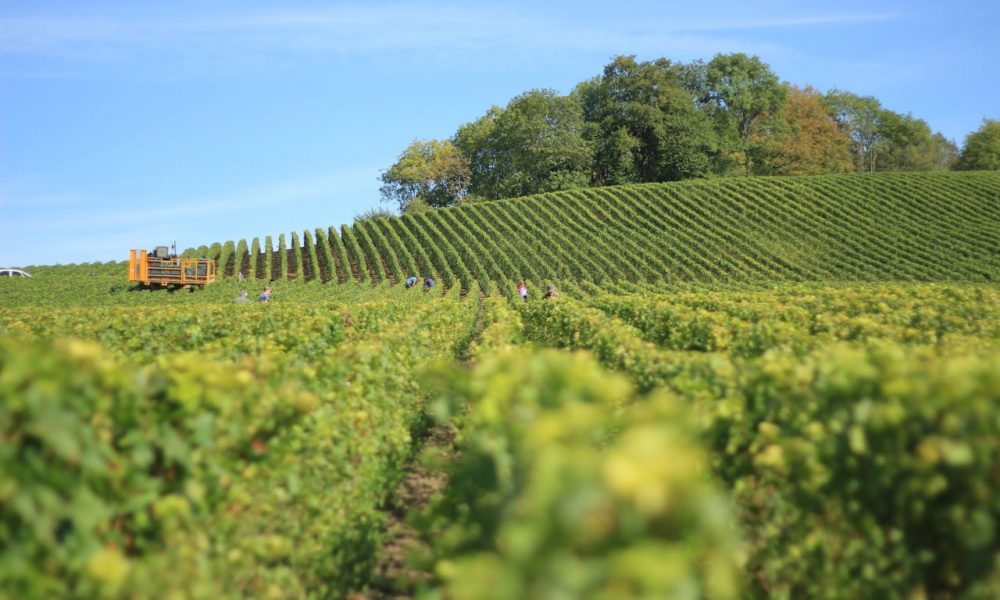
Wine vineyards across California are in trouble. Too much supply and too little demand are pushing vineyard owners to rip out their fields. Grapes once destined to become premium wines are now being left to rot, marking a dramatic shift in the industry.
Global wine consumption has dropped significantly, and growers are feeling the pressure. Take Garret Schaefer, a vineyard owner in California. This year, 50 acres of his grapes – roughly 400 tons – have been left to rot.
Why Are Wine Vineyards Ripping Out Their Fields?
The wine market is grappling with a perfect storm of problems. Inflation has driven prices through the roof. According to the Federal Reserve, the price of wine has jumped more than 13% in the last five years. Consumers feel the pinch, and many are opting out of that expensive bottle of red or white.
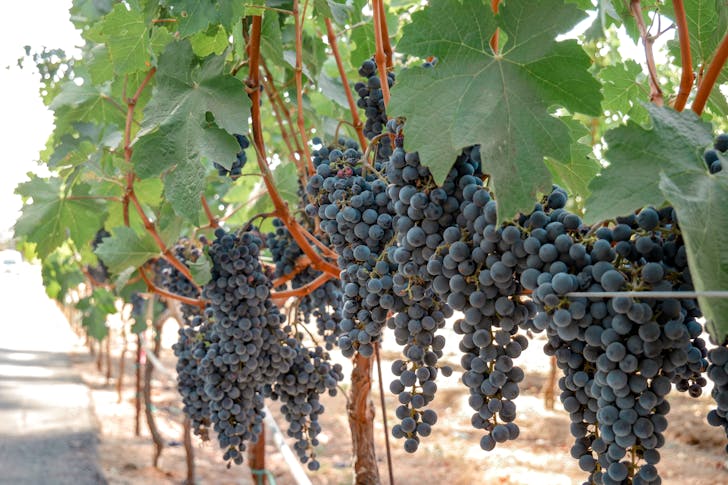
Irma / Pexels / According to reports, the price of wine has jumped more than 13% in the last five years.
Then came the World Health Organization’s alarming statement: No level of alcohol is safe. That sent shockwaves across the wine industry. Health-conscious consumers started to rethink their drinking habits.
The younger generation does not drink as much wine as their baby boomer parents did. Instead, they are flocking to non-alcoholic drinks, low-calorie sodas, and trendy sparkling waters.
How Bad Is It for Wine Vineyards?
California, which grows 80% of America’s wine grapes, is bearing the brunt of this shift. Experts say the oversupply issue is so severe that farmers need to rip out 50,000 acres of vineyards, 8% of the state’s total. For growers like Don Worley, that means work, but not the kind they are proud of.
Worley has been clearing vineyards for decades, usually helping farmers remove diseased vines. Now, he is being hired to tear out healthy ones. Massive machines plow through row after row, clearing 30 acres a day. It is quick, efficient, and devastating.
Garret Schaefer’s family has been growing grapes since 1894. But even he has had to make painful cuts. He has already ripped out one-third of his family’s vineyards. The workers who once kept those fields thriving are also gone. “We used to have six to eight full-time employees. We are down to two,” Schaefer explained.
It is a grim outlook for an industry that relies on tradition, hard work, and community.
New Drinking Habits
Millennials and Gen Z have changed the way we drink. Young consumers like Brianda Gonzalez are skipping traditional wines altogether. Gonzalez, who runs a shop in California, said she realized regular wine consumption didn’t align with her health goals. Now, she focuses on non-alcoholic alternatives, and her customers seem to agree.
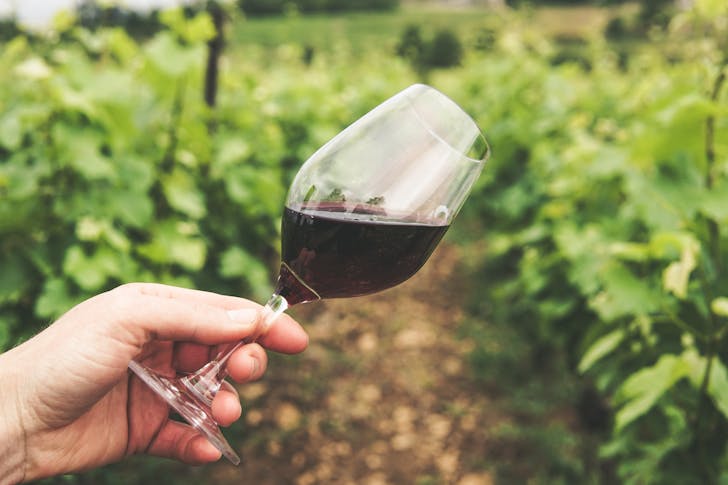
Grape Things / Pexels / The problem is simple: There is not enough demand for traditional anymore – as Gen Z and millennials have become more health conscious.
Non-alcoholic beverages are booming, offering everything from sparkling water to zero-proof wines. These options cater to younger drinkers who want to be social but still prioritize their health. For wine vineyards, this trend is another blow. Their customer base is shrinking while competition for shelf space grows fiercer.
Baby boomers, once the wine industry’s biggest supporters, are not buying as much either. Aging populations, changing tastes, and tighter wallets mean fewer people are enjoying that nightly glass of Merlot or Chardonnay.
Is Inflation Making Wine Too Expensive?
Inflation is squeezing everyone, and wine vineyards are not immune. Rising production costs, from labor to packaging, have driven prices higher. A bottle that once cost $10 now sells for $15 or more, and consumers are noticing. In tough economic times, wine becomes a luxury many people can not justify.
Vineyard owners are feeling the pinch on both ends. They are spending more to produce wine while selling less of it. With warehouses packed full of unsold bottles, there is little incentive to keep growing grapes. Some farmers face the heartbreaking decision to rip out vines that have been in their families for generations.
More in Luxury & Life Style
-
`
 Rihanna’s Net Worth Drops After Failed Luxury Brand Collaboration
Rihanna has always been a trendsetter, but not every business move hits the mark. The pop icon reportedly faced a major...
November 4, 2025 -
`
 Maine Travel Guide | Safe Coastal Towns, Beaches & Fresh Seafood
When the leaves start to turn and the summer crowds fade, travelers begin looking for quieter escapes—places where the scenery speaks...
October 28, 2025 -
`
 Are Tech Billionaires’ Doomsday Plans a Sign of Something Bigger?
The idea of tech billionaires preparing for the end of the world sounds like something straight out of ‘Don’t Look Up’....
October 21, 2025 -
`
 Taylor Swift Delivers Bold Statement on Cancel Culture Through Music
Taylor Swift never shies away from turning controversy into art. With her latest song “Cancelled!” from her twelfth studio album “The...
October 15, 2025 -
`
 Sean Combs Mentored Inmates in Jail, Teaching Them to Think Like a Mogul
Sean “Diddy” Combs spent part of his recent time in jail teaching fellow inmates about business, entrepreneurship, and personal development. The...
October 7, 2025 -
`
 Why Istanbul Is the New Celebrity Hotspot for Style and Wellness
Celebrities are constantly reinventing themselves—sometimes through a new sound, other times through a striking new look. But the latest wave of...
October 1, 2025 -
`
 Is Apple Ditching the SIM Card With Its Latest iPhone?
For years, sliding a tiny SIM card into a phone has been the first step to getting connected. Apple now appears...
September 23, 2025 -
`
 Why New York Nightlife Keeps Attracting Visitors Worldwide
New York comes alive after dark in a way few places on earth can match. The city never limits itself to...
September 16, 2025 -
`
 How Celebrities Are Taking Over the Business World
The definition of celebrity success has expanded well past awards and sold-out tours. Today, many Hollywood names are equally focused on...
September 9, 2025
More From Todaysnyc
-
 What Is Workplace Culture? Understanding Its Meaning & Importance
“Workplace culture” is a term frequently seen in job postings, company websites, and professional conversations. Despite its prevalence, it’s often misunderstood...
CultureApril 1, 2026 -
 Why Surging Oil Prices Won’t Spark a U.S. Inflation Nightmare
Rising oil prices have rattled financial markets and raised fresh concerns about inflation across the United States. Since the start of...
BusinessMarch 25, 2026 -
 This 112-Acre Florida Island Inspired Jimmy Buffett’s ‘Cheeseburger in Paradise’
Off the southwest coast of Florida sits a small island that feels refreshingly untouched by modern development. Cabbage Key may be...
Luxury & Life StyleMarch 16, 2026 -
 The Group Chat Rules Nobody Talks About (But You Should Follow)
Group chats have quietly reshaped daily communication. Plans for dinner, updates about a child’s birthday, collaboration on a work project, and...
TechMarch 9, 2026 -
 How the Bay Area Skate Culture Started
For those who grew up in the 1980s, Friday nights often meant the roller rink: dimmed lights, pulsing music, and skaters...
CultureMarch 5, 2026
You must be logged in to post a comment Login