
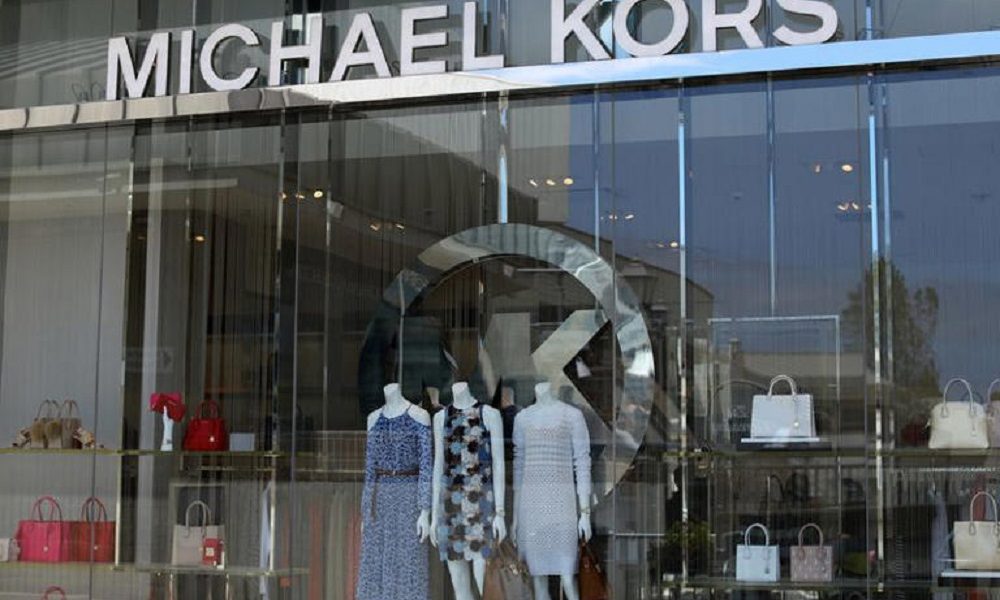
Michael Kors Faces Uncertainty After $8.5 Billion Luxury Deal Collapses
The highly anticipated $8.5 billion Michael Kors deal with Tapestry, the parent company of Coach, has officially collapsed. Following months of legal battles with antitrust regulators, the companies abandoned their plans for a merger that aimed to rival European luxury giants like LVMH and Kering. This development casts uncertainty over Michael Kors, which has faced lagging sales and market share losses in recent years.
Regulatory Pushback Shakes the Michael Kors Deal
Antitrust regulators argued the merger could harm consumers by leading to higher prices and lower quality products. The Federal Trade Commission (FTC) froze the deal weeks ago, forcing both companies to reconsider their options. Despite the expedited appeals process, Capri Holdings, the parent company of Michael Kors, and Tapestry opted to walk away from the merger. The FTC’s resistance reflected a growing scrutiny of consolidation in the luxury retail sector.
This cancellation not only marks a major setback for Capri Holdings but also highlights challenges in forming an American luxury conglomerate to compete globally. Analysts believe the regulatory concerns made the merger untenable, leaving Capri to chart its future independently.
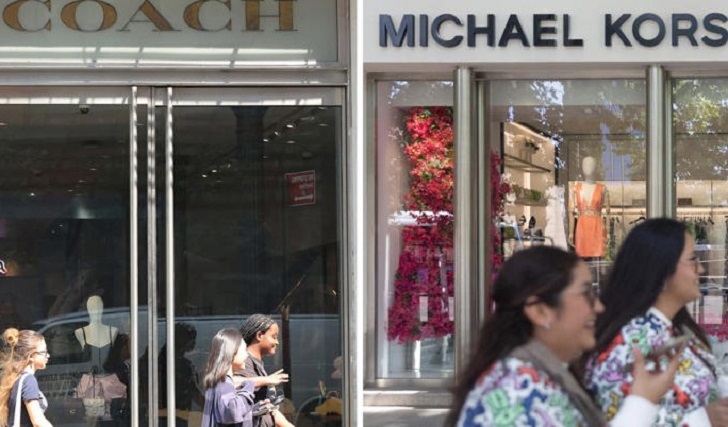
Gabrielle Fonrouge | MSN | Michael Kors’s $8.5 billion deal with Tapestry, Coach’s parent company, has officially collapsed.
Market Reactions to the Failed Merger
The fallout from the collapsed deal has hit Capri Holdings hard. Shortly after the initial freeze, Capri’s stock price plummeted by nearly 50%, signaling investors’ diminishing confidence in the company’s standalone strategy. Capri will not receive a breakup fee from Tapestry, although it will recover $45 million in legal expenses.
Tapestry, widely considered the stronger company, emerges relatively unscathed. However, the collapse puts added pressure on Capri, whose revenue has taken a significant hit, especially at Michael Kors, its flagship brand. With a 16% decline in revenue and a staggering 43% drop in sales in China this year, the road ahead looks challenging.
Challenges Facing Michael Kors Post-Merger
The failed deal underscores Michael Kors’ struggles to maintain relevance in a changing market. Chief Executive John Idol acknowledged that the brand has suffered from “missteps” during its acquisition process. Rapid price increases and a lack of long-term planning have further strained the company’s position. Idol announced plans to close 75 underperforming Michael Kors stores and renovate 150 others to reignite consumer interest.
Once a promising luxury brand market, China has become a sore spot for Michael Kors. Economic slowdowns and shifting consumer spending patterns have led to significant losses. Idol admitted that the brand faces uncertainty in the region, prompting a strategic pivot toward the North American market. The company hopes to stabilize its finances over the next two years by streamlining operations and refocusing its efforts.
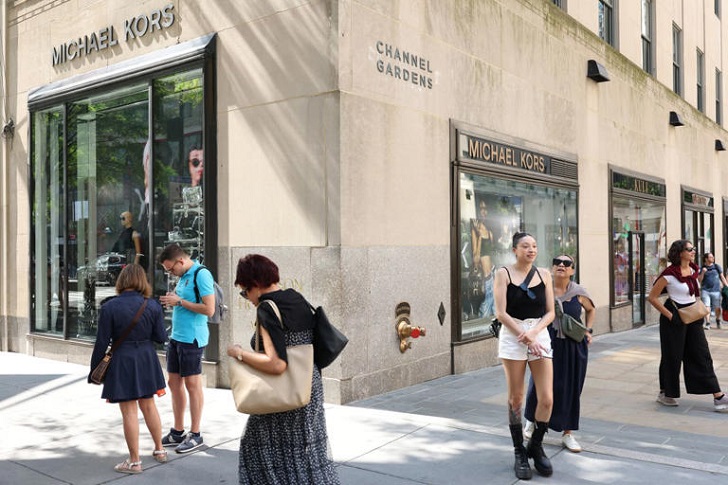
Suzanne Kapner | MSN | China has become a sore spot for Michael Kors.
Speculation on Capri’s Next Moves
The collapse of the Michael Kors deal has sparked speculation about Capri’s future. Analysts suggest the company may consider spin-offs or asset sales to unlock shareholder value. Versace and Jimmy Choo, Capri’s other luxury brands, could be sold separately to maximize enterprise value. This move would allow Michael Kors to operate as a standalone brand, which some believe could better position it for recovery.
Capri’s openness to future deals has not gone unnoticed. Idol hinted during a recent investor call that the company remains receptive to discussions involving its assets. However, before exploring any major transactions, Capri must address its financial challenges and improve its market performance.
A Bleak Outlook for the Luxury Market
The challenges facing Michael Kors are emblematic of broader issues in the luxury market. Consumers, particularly aspirational shoppers, are scaling back their spending amid economic uncertainty. Economic conditions have significantly dampened demand in regions like China, where luxury brands once thrived. This decline has made recovery even harder for brands like Michael Kors, which rely heavily on international markets. Despite the bleak outlook, analysts remain cautiously optimistic that Capri Holdings can eventually find its footing.
More in Luxury & Life Style
-
`
 Rihanna’s Net Worth Drops After Failed Luxury Brand Collaboration
Rihanna has always been a trendsetter, but not every business move hits the mark. The pop icon reportedly faced a major...
November 4, 2025 -
`
 Maine Travel Guide | Safe Coastal Towns, Beaches & Fresh Seafood
When the leaves start to turn and the summer crowds fade, travelers begin looking for quieter escapes—places where the scenery speaks...
October 28, 2025 -
`
 Are Tech Billionaires’ Doomsday Plans a Sign of Something Bigger?
The idea of tech billionaires preparing for the end of the world sounds like something straight out of ‘Don’t Look Up’....
October 21, 2025 -
`
 Taylor Swift Delivers Bold Statement on Cancel Culture Through Music
Taylor Swift never shies away from turning controversy into art. With her latest song “Cancelled!” from her twelfth studio album “The...
October 15, 2025 -
`
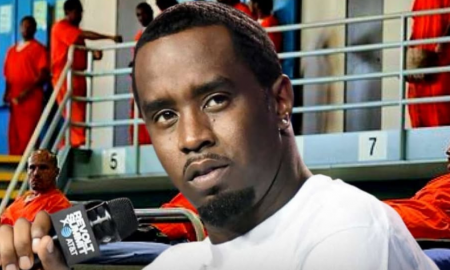 Sean Combs Mentored Inmates in Jail, Teaching Them to Think Like a Mogul
Sean “Diddy” Combs spent part of his recent time in jail teaching fellow inmates about business, entrepreneurship, and personal development. The...
October 7, 2025 -
`
 Why Istanbul Is the New Celebrity Hotspot for Style and Wellness
Celebrities are constantly reinventing themselves—sometimes through a new sound, other times through a striking new look. But the latest wave of...
October 1, 2025 -
`
 Is Apple Ditching the SIM Card With Its Latest iPhone?
For years, sliding a tiny SIM card into a phone has been the first step to getting connected. Apple now appears...
September 23, 2025 -
`
 Why New York Nightlife Keeps Attracting Visitors Worldwide
New York comes alive after dark in a way few places on earth can match. The city never limits itself to...
September 16, 2025 -
`
 How Celebrities Are Taking Over the Business World
The definition of celebrity success has expanded well past awards and sold-out tours. Today, many Hollywood names are equally focused on...
September 9, 2025
More From Todaysnyc
-
 What Is Workplace Culture? Understanding Its Meaning & Importance
“Workplace culture” is a term frequently seen in job postings, company websites, and professional conversations. Despite its prevalence, it’s often misunderstood...
CultureApril 1, 2026 -
 Why Surging Oil Prices Won’t Spark a U.S. Inflation Nightmare
Rising oil prices have rattled financial markets and raised fresh concerns about inflation across the United States. Since the start of...
BusinessMarch 25, 2026 -
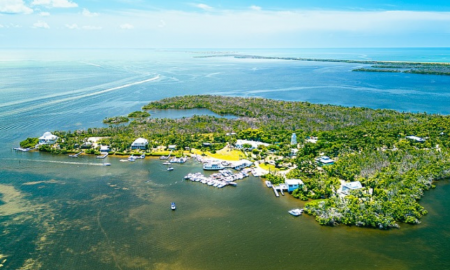 This 112-Acre Florida Island Inspired Jimmy Buffett’s ‘Cheeseburger in Paradise’
Off the southwest coast of Florida sits a small island that feels refreshingly untouched by modern development. Cabbage Key may be...
Luxury & Life StyleMarch 16, 2026 -
 The Group Chat Rules Nobody Talks About (But You Should Follow)
Group chats have quietly reshaped daily communication. Plans for dinner, updates about a child’s birthday, collaboration on a work project, and...
TechMarch 9, 2026 -
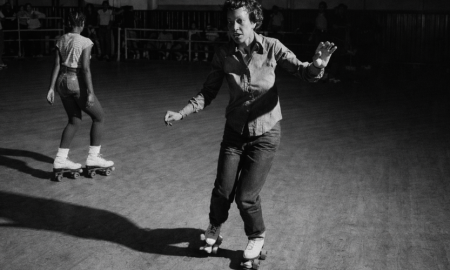 How the Bay Area Skate Culture Started
For those who grew up in the 1980s, Friday nights often meant the roller rink: dimmed lights, pulsing music, and skaters...
CultureMarch 5, 2026
You must be logged in to post a comment Login